Case Study: Successful Flat Roofing Projects in the Peach State


Introduction to Flat Roofing in the Peach State
Flat roofing has become increasingly popular in Georgia, known affectionately as the Peach State, due to its modern aesthetic and practical benefits. With the state's diverse climate, from humid summers to mild winters, flat roofing offers both durability and energy efficiency, making it a preferred choice for many homeowners and businesses.

Advantages of Flat Roofing
One of the primary benefits of flat roofing is its cost-effectiveness. Flat roofs require fewer materials and less labor than pitched roofs, resulting in lower installation costs. Additionally, their design allows for easy maintenance and accessibility, making it simpler to perform routine inspections and repairs.
Another significant advantage is the potential for additional usable space. Flat roofs can be transformed into rooftop gardens, terraces, or even solar panel installations, providing functional and eco-friendly options for property owners.
Key Considerations for Flat Roofing in Georgia
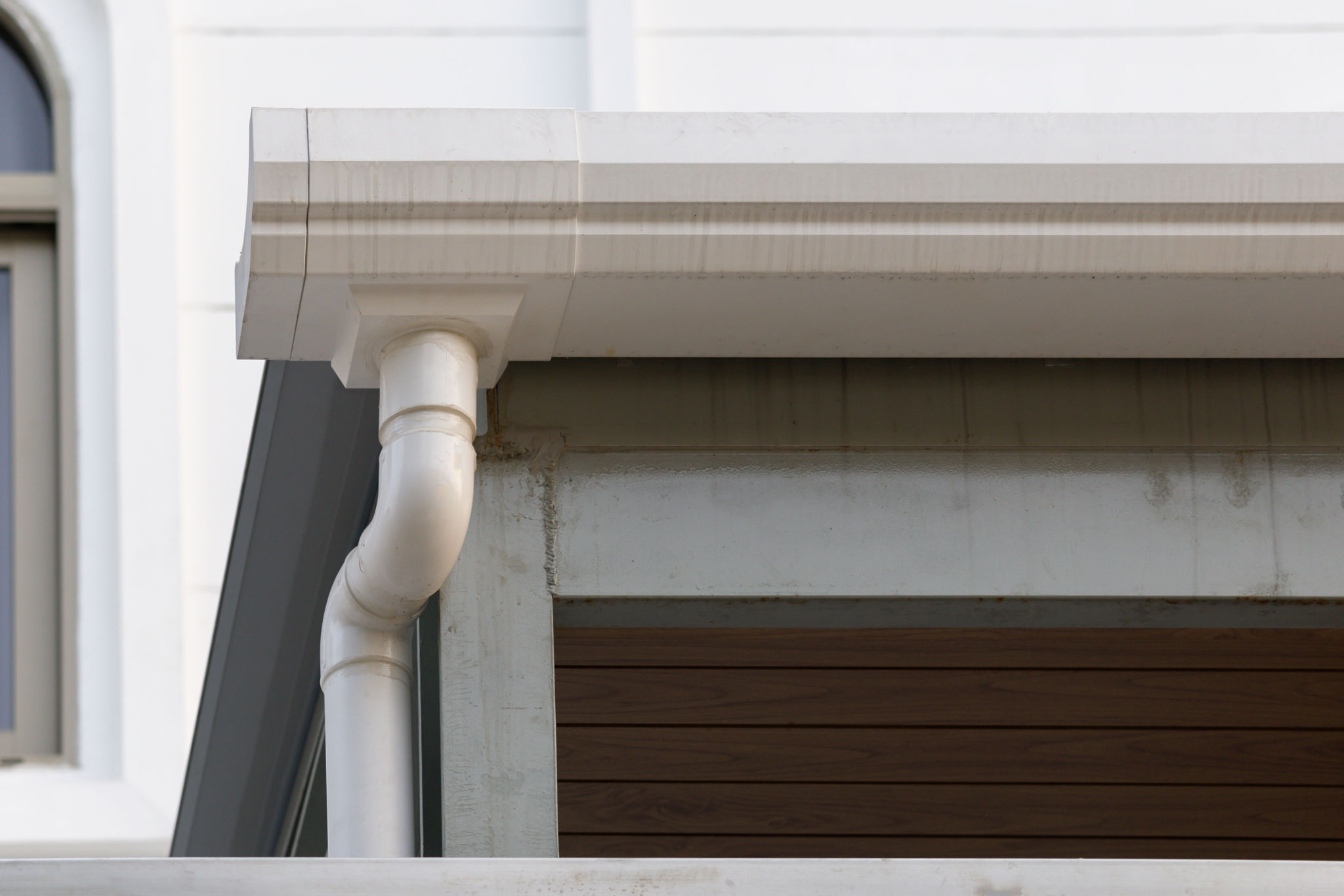
While flat roofing offers numerous benefits, there are essential factors to consider, particularly in Georgia's climate. Proper drainage systems are crucial to prevent water accumulation and potential damage during heavy rainfalls. High-quality materials and professional installation also play pivotal roles in ensuring longevity and performance.
Case Study 1: Residential Success in Atlanta
In Atlanta, a homeowner decided to renovate their aging pitched roof with a modern flat design. The project involved the use of durable, weather-resistant materials that catered to the city's climate. Post-installation, the homeowner reported a significant decrease in energy costs, attributing it to the improved insulation provided by the flat roofing system.
Case Study 2: Commercial Application in Savannah
A commercial property in Savannah opted for a flat roof to enhance the building's aesthetic appeal while maximizing space. The rooftop was converted into a stylish terrace, attracting more foot traffic and increasing the property's value. The business owner highlighted the project's success in blending functionality with visual appeal.

Materials and Techniques
When it comes to materials, options like TPO, EPDM, and modified bitumen are popular in Georgia due to their durability and weather resistance. Each material has its unique benefits, such as TPO's energy efficiency and EPDM's flexibility, making them suitable for different project requirements.
Advanced installation techniques, like reinforced membranes and seamless designs, further enhance the performance and longevity of flat roofs, ensuring they withstand Georgia's varying climate conditions.
Challenges and Solutions
Flat roofing projects may face challenges such as water pooling and potential leaks. However, these can be mitigated by ensuring proper installation and regular maintenance. Utilizing advanced drainage systems and waterproof coatings can significantly reduce risks, offering peace of mind to property owners.

Conclusion
The successful implementation of flat roofing in Georgia demonstrates its viability as a practical and stylish choice for both residential and commercial properties. With the right materials, techniques, and maintenance, flat roofs can provide long-lasting benefits, making them a valuable investment in the Peach State.