DIY Roof Inspection: Spotting Trouble Before It Escalates


Understanding the Importance of Roof Inspections
Your roof is one of the most critical components of your home, safeguarding you from the elements. Regular inspections can prevent minor issues from becoming costly repairs. Conducting a DIY roof inspection can help you spot problems early.
When to Perform a Roof Inspection
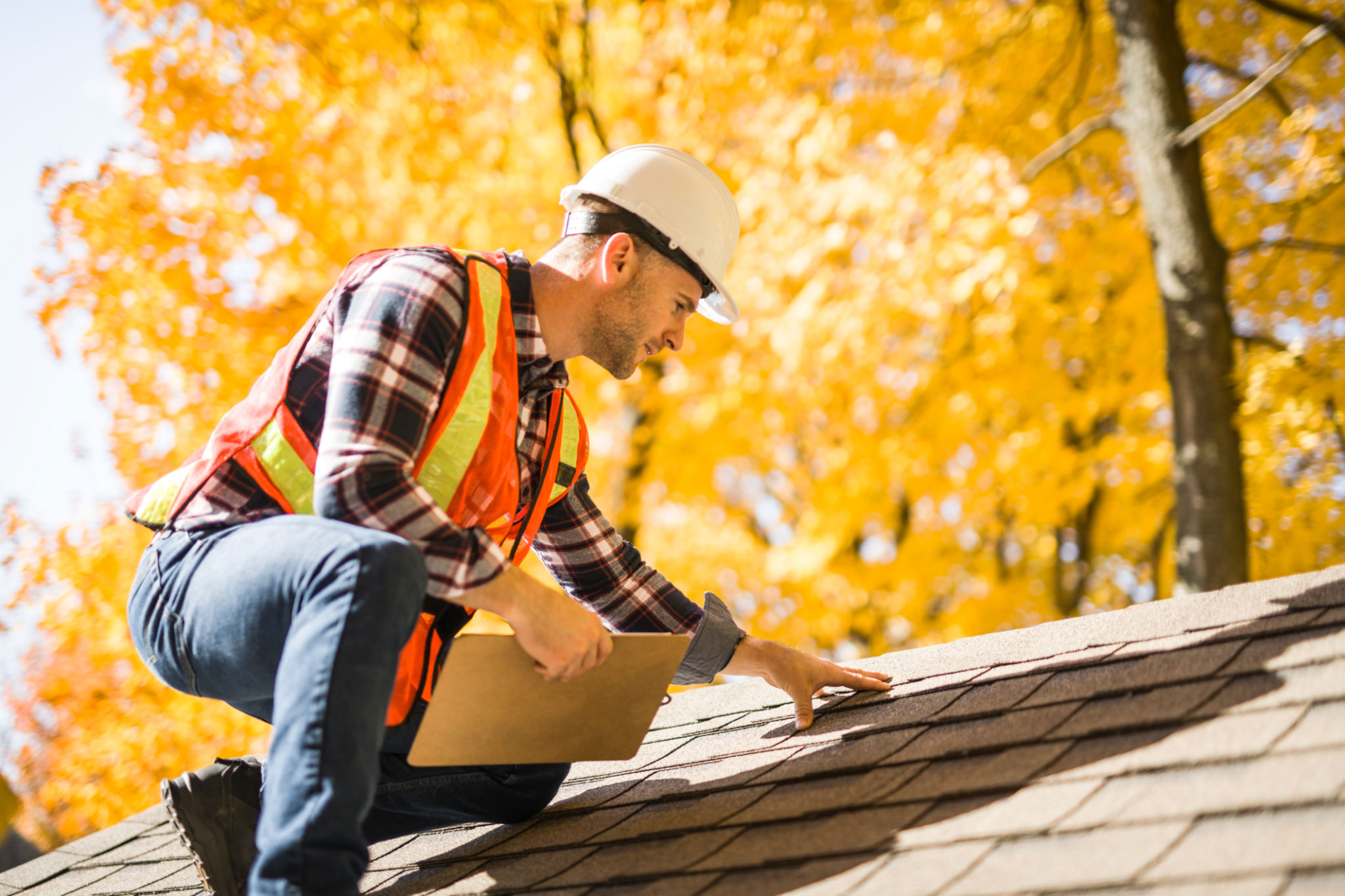
It's advisable to inspect your roof at least twice a year, ideally in the spring and fall. Additionally, it's essential to check your roof after severe weather events like storms or heavy snowfall. Regular inspections help maintain the integrity of your roof and extend its lifespan.
Tools You'll Need
Before you begin, gather the necessary tools to ensure a thorough inspection. You'll need:
- A sturdy ladder
- Binoculars
- A flashlight
- Notebook and pen for notes
- Camera or smartphone for photos

Inspecting the Exterior
Start by examining the exterior of your roof. Look for any missing, cracked, or curling shingles. Pay special attention to the areas around chimneys, vents, and skylights, as these are prone to leaks. Check for moss or algae growth, which can indicate moisture problems.
Use binoculars to inspect areas that are difficult to reach. Take note of any visible damage, and photograph these areas for future reference.
Checking the Interior
Next, head inside to inspect your attic. Look for any signs of leaks, such as water stains, mold, or mildew. Ensure that there is proper ventilation to prevent moisture buildup. Use a flashlight to check for any dark spots or streaks on the ceiling.
Gutters and Downspouts
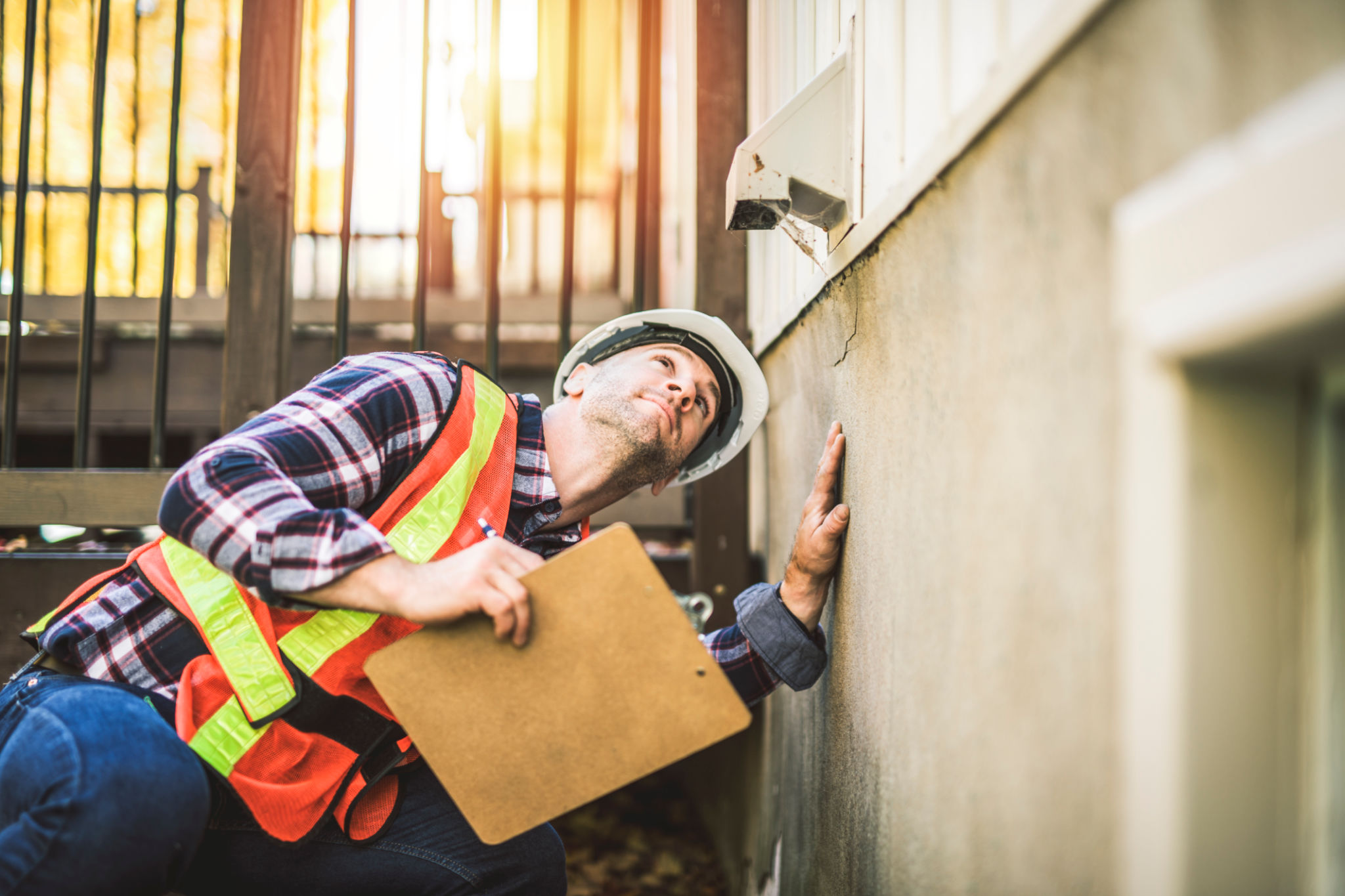
While inspecting your roof, don't forget to check the gutters and downspouts. Ensure they are clear of debris and functioning correctly. Clogged gutters can lead to water damage and affect the roof's structural integrity.
Consider installing gutter guards to prevent future blockages and reduce maintenance efforts.
Documenting Your Findings
After completing your inspection, document your findings in detail. Note any areas of concern and take photographs to create a visual record. This documentation will be invaluable if you decide to hire a professional for repairs or if you need to file an insurance claim.

When to Call a Professional
While a DIY roof inspection is beneficial, certain issues require professional attention. If you notice extensive damage, persistent leaks, or structural concerns, it's time to call a roofing expert. Professionals have the tools and expertise to handle complex repairs safely.
Regular DIY inspections combined with professional assessments can ensure your roof remains in excellent condition, protecting your home for years to come.