The Complete Guide to Skylight Installation on Georgia Roofs


Understanding Skylight Benefits
Installing skylights can transform your home by bringing in natural light, enhancing aesthetic appeal, and potentially reducing energy costs. In Georgia, where sunny days are abundant, skylights can be an excellent addition to any home. They not only brighten up your living space but can also create a sense of openness.
Beyond just aesthetics, skylights can improve energy efficiency. By allowing natural light to penetrate your home, you can reduce the need for artificial lighting, thereby cutting down on electricity bills. In the long run, this can lead to significant savings.
Choosing the Right Skylight
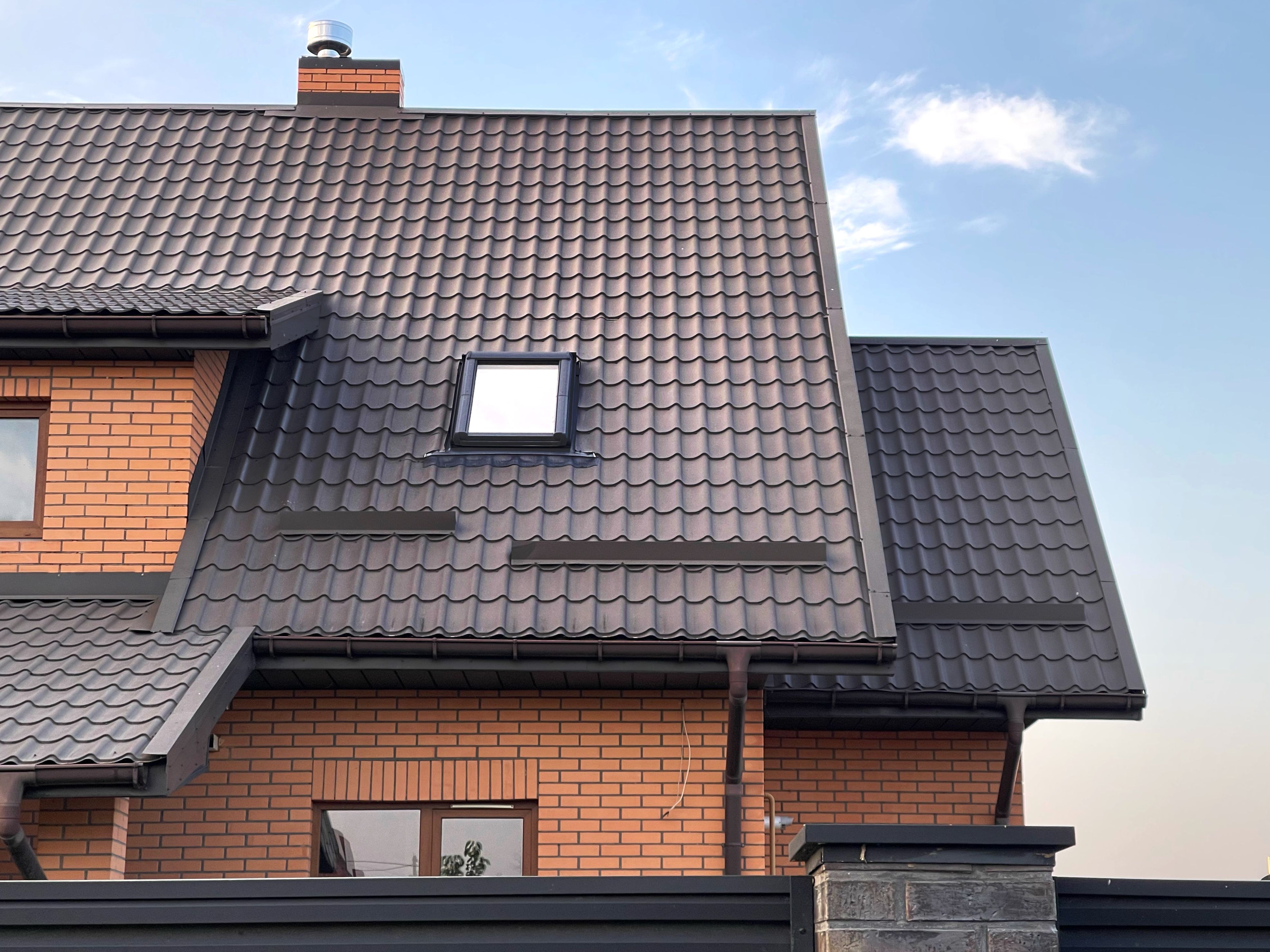
When considering skylight installation, it's crucial to choose the right type for your roof. There are several options, including fixed, ventilated, and tubular skylights. Each has its own set of advantages, depending on your needs and the design of your home.
Fixed skylights are ideal for adding light to the room without the need for ventilation. In contrast, ventilated skylights can be opened to allow for fresh air, which is beneficial in Georgia's warm climate. Tubular skylights are perfect for small spaces like hallways or closets.
Material and Design Considerations
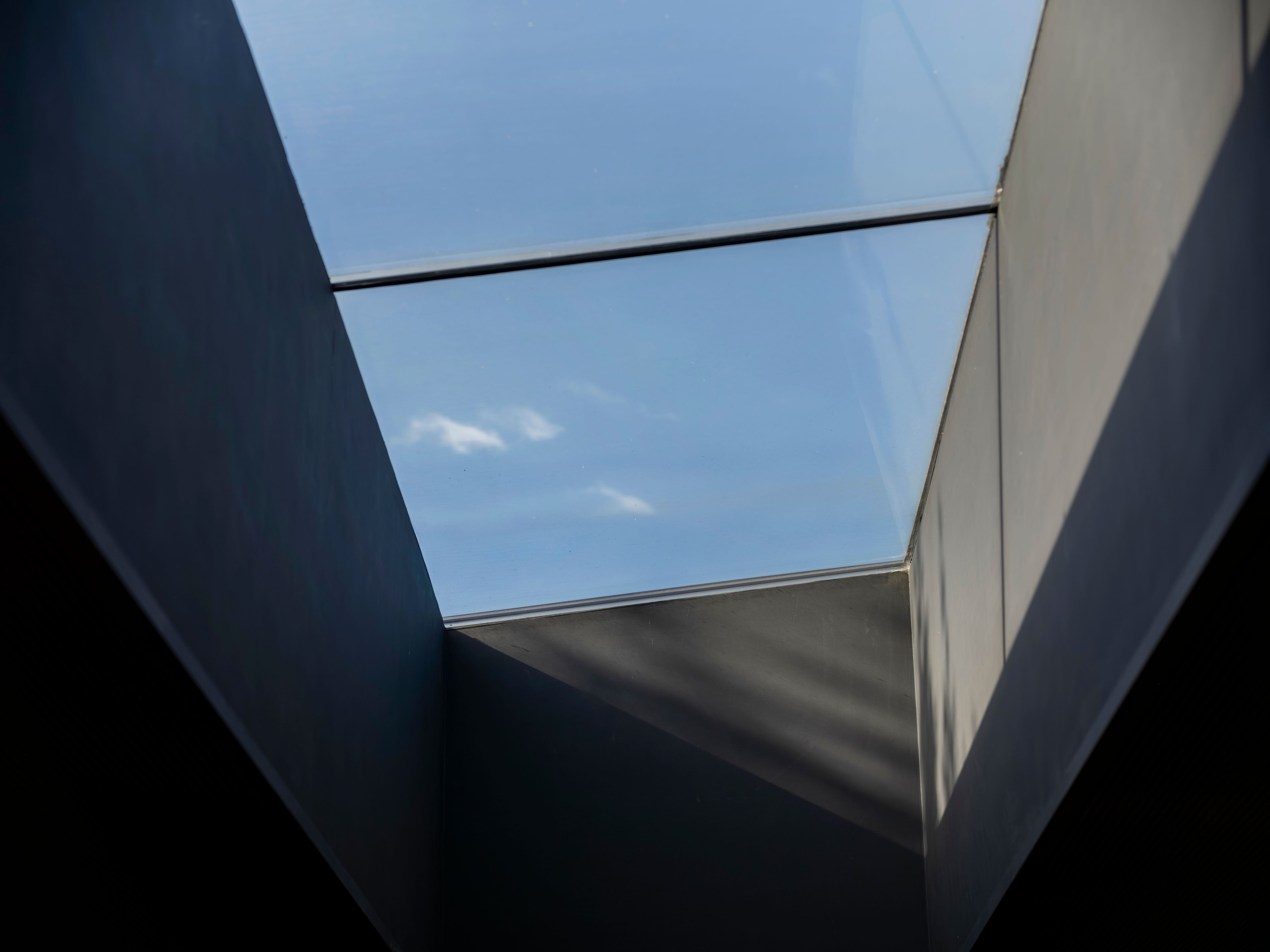
Skylights come in various materials such as glass and acrylic. Glass skylights offer better clarity and durability, while acrylic options are lightweight and often more budget-friendly. Additionally, consider the design elements such as the shape and size that best fit your roof's architecture.
Preparing for Installation
Before installation, a thorough assessment of your roof's structure is essential. This step ensures that your roof can support the skylight and that the installation won't lead to leaks or structural issues. Hiring a professional to conduct this assessment is recommended.
Once your roof is deemed suitable, planning the placement of the skylights is the next step. Strategically placing them to maximize natural light while minimizing glare and heat gain is crucial for comfort and efficiency.

The Installation Process
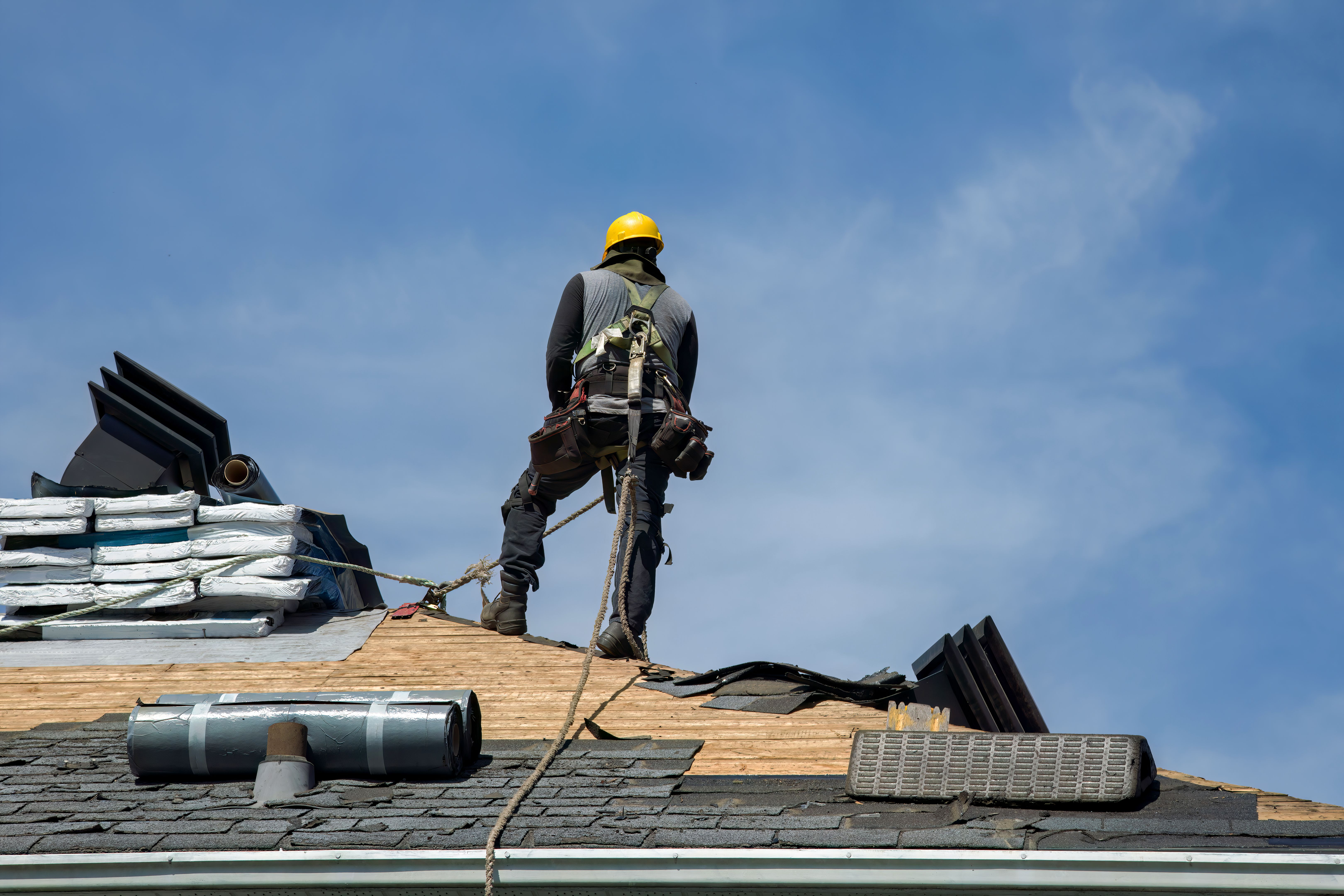
The installation process typically involves cutting an opening in the roof, installing the skylight, and ensuring a watertight seal. It's a task best left to professionals to avoid potential issues like leaks or improper sealing.
Professionals will also ensure that the installation complies with local building codes and regulations, which is an important consideration in Georgia. This compliance not only ensures safety but also affects future resale value.
Post-Installation Care and Maintenance
After installation, regular maintenance is key to preserving the skylight's condition. This includes cleaning the skylight glass and checking seals for any wear and tear. Ensuring proper maintenance can prolong the life of your skylight and maintain its efficiency.
It's also essential to inspect the surrounding roof area periodically, especially after severe weather, to catch any potential issues early on and prevent significant damage.
Cost Considerations
The cost of skylight installation can vary based on several factors such as the type of skylight, materials used, and the complexity of the installation. While a basic tubular skylight may be more affordable, a custom-designed glass option will be more expensive.
When budgeting, consider not just the initial installation cost but also the potential energy savings and increased home value that can result from adding skylights. This long-term perspective can provide a clearer picture of the overall investment.
Conclusion
Skylight installation on Georgia roofs can offer numerous benefits, from increased natural light to improved energy efficiency. By choosing the right type and ensuring proper installation, homeowners can enjoy both aesthetic and practical advantages. With careful planning and professional help, your skylight project can be a seamless addition to your home.