The Ultimate Guide to Roof Inspection Services: What Homeowners Need to Know


Regular roof inspections are essential for maintaining the integrity of your home. They help identify potential issues before they become major problems, saving you time and money in the long run. In this ultimate guide, we'll explore everything homeowners need to know about roof inspection services.
Why Regular Roof Inspections Are Important
Your roof is your home's first line of defense against the elements. Over time, exposure to weather conditions like rain, wind, and snow can cause wear and tear. Regular inspections can catch minor issues early, preventing costly repairs down the line.
Neglecting roof maintenance can lead to leaks, mold growth, and even structural damage. By scheduling inspections regularly, you ensure that your roof remains in top condition, providing peace of mind and protecting your investment.
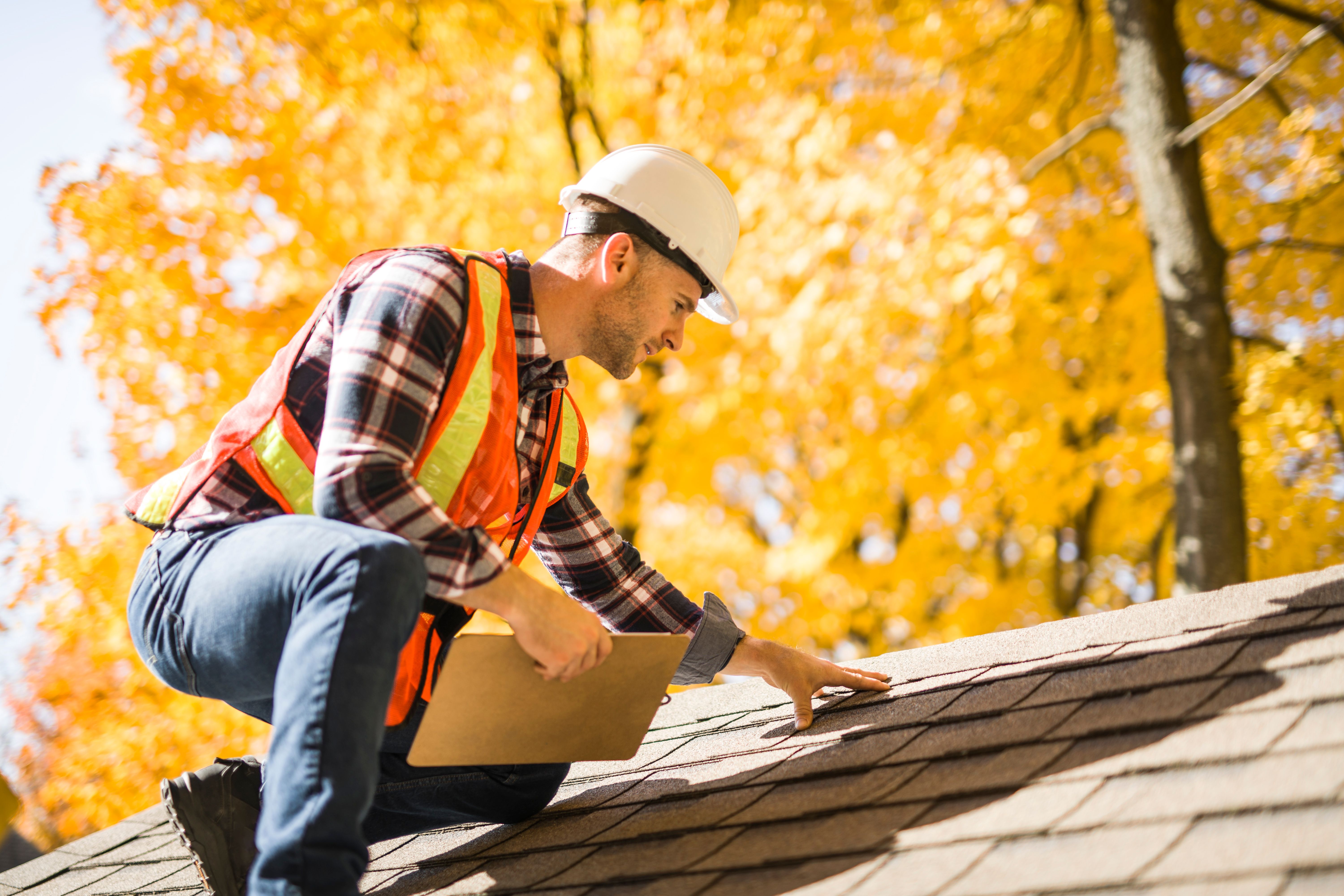
What to Expect During a Roof Inspection
A thorough roof inspection involves a comprehensive assessment of your roof's condition. Professionals will examine various components, including shingles, flashing, gutters, and the overall structure. Here's what typically happens during an inspection:
- Exterior Inspection: Checking for visible damage, such as missing shingles or damaged flashing.
- Interior Inspection: Assessing the attic and interior ceilings for signs of leaks or water damage.
- Documentation: Providing a detailed report with findings and recommended repairs.
By understanding these steps, homeowners can better prepare and know what to expect when hiring a professional.
When to Schedule a Roof Inspection
It's generally recommended to have your roof inspected at least once a year. However, certain circumstances may necessitate more frequent checks. Consider scheduling an inspection if:
- You've experienced a severe storm or weather event.
- You're buying or selling a home.
- Your roof is over 10 years old.
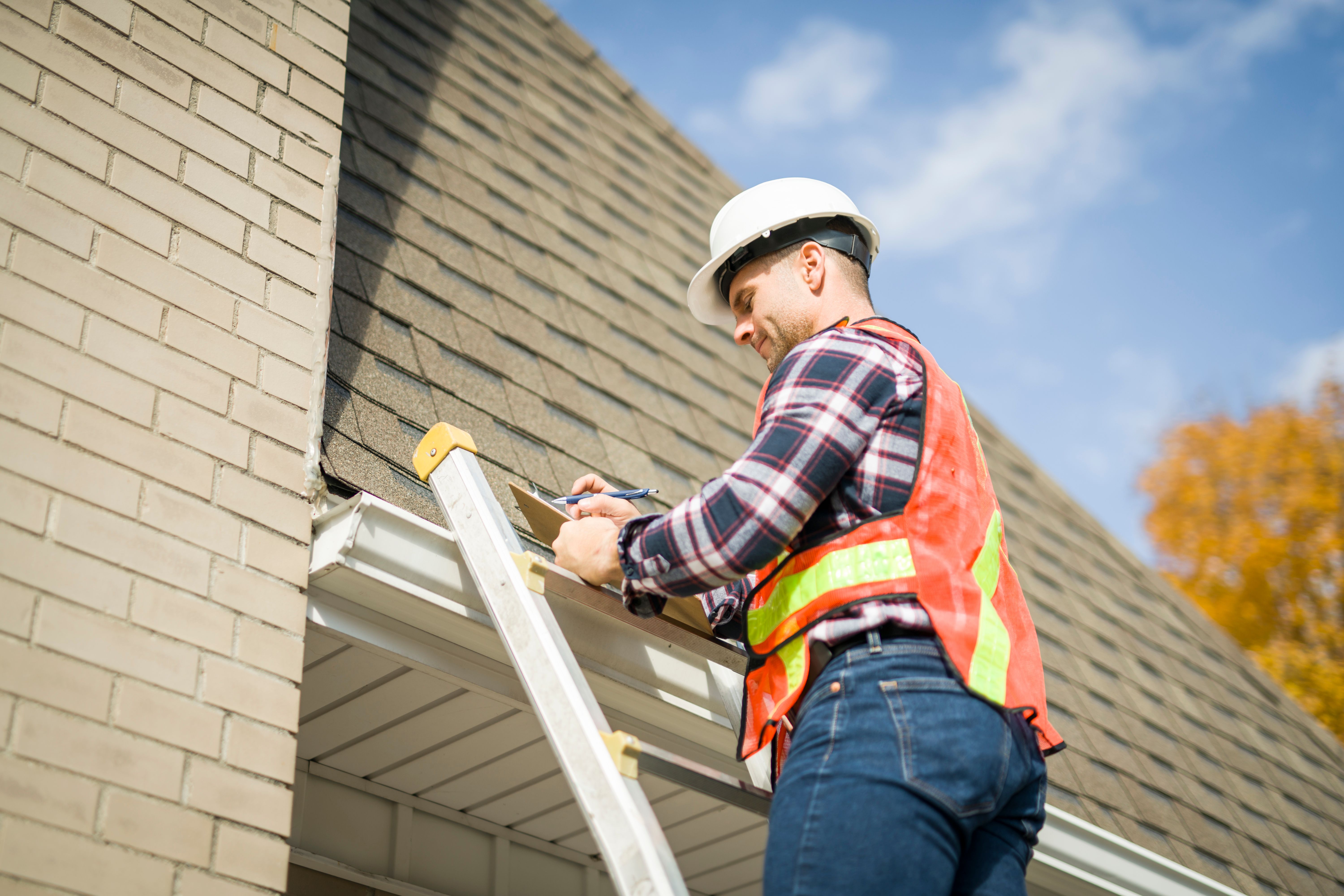
Choosing the Right Roof Inspection Service
Selecting a reliable roof inspection service is crucial. Look for companies with a solid reputation, positive customer reviews, and proper licensing and insurance. Don't hesitate to ask for references and inquire about their experience with similar homes or roofing materials.
Consider obtaining multiple quotes to compare services and pricing. Remember, the cheapest option isn't always the best. Focus on the value and expertise offered by the provider.
What Happens After the Inspection?
Once the inspection is complete, you'll receive a detailed report outlining the condition of your roof and any recommended repairs. It's essential to address these recommendations promptly to prevent further deterioration.
If repairs are needed, work with your inspection service or a trusted roofing contractor to get the necessary work done. Regular maintenance and prompt repairs can extend the lifespan of your roof significantly.
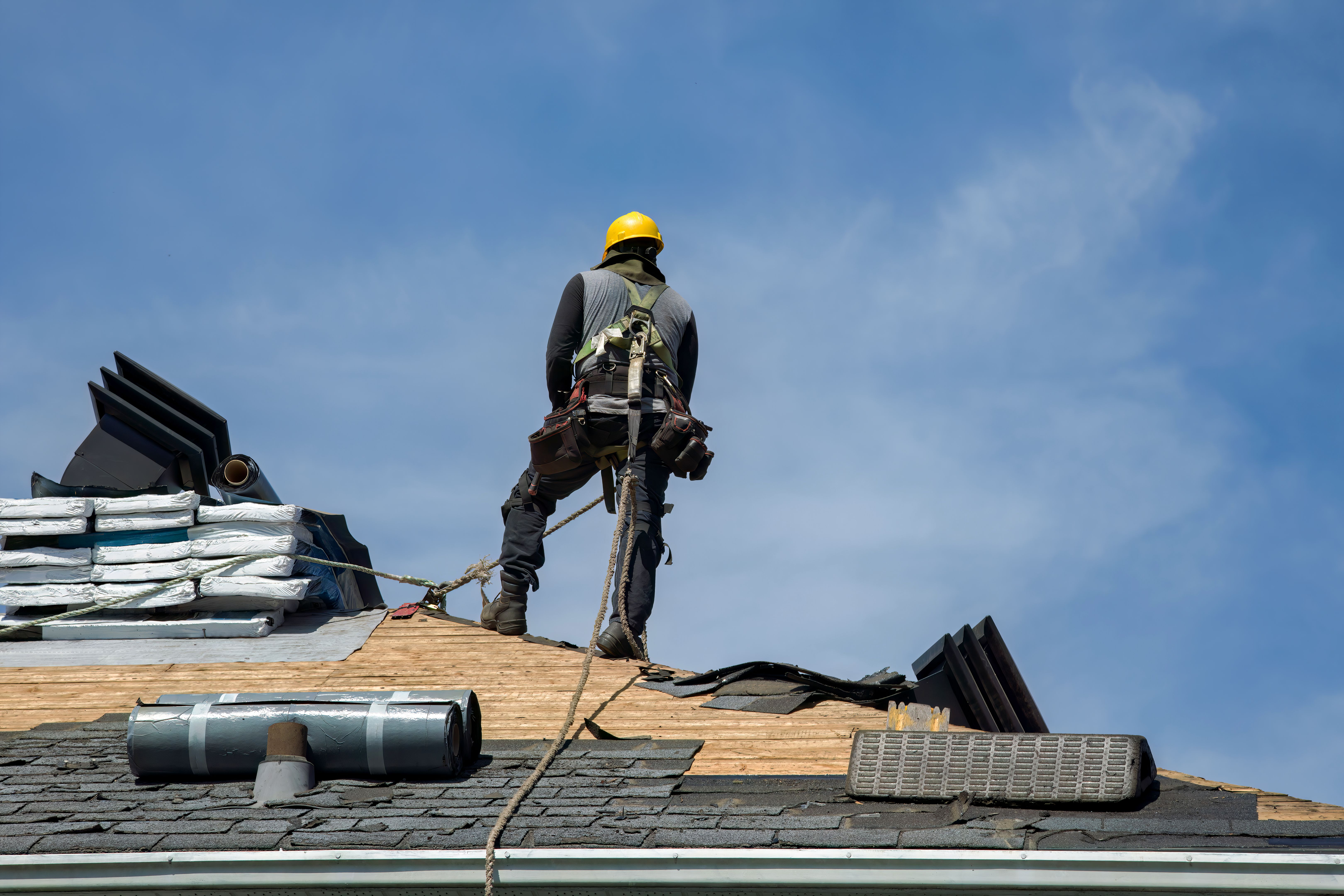
In conclusion, regular roof inspections are a vital part of home maintenance. By understanding the process and knowing what to expect, homeowners can ensure their roofs remain in excellent condition, protecting both their homes and their investment for years to come.