Understanding the Impact of Georgia’s Climate on Your Roof


Introduction
Georgia's diverse climate can have a significant impact on the longevity and performance of your roof. From hot, humid summers to occasional snowfall in the winter, understanding how these weather patterns affect your roofing materials is crucial for maintaining a durable and efficient roof.

Heat and Humidity
Georgia is known for its scorching summers, with temperatures often soaring above 90°F. This intense heat can cause roofing materials to expand and contract, leading to potential damage over time. Additionally, the high humidity levels can contribute to moisture buildup, which may result in mold and mildew growth.
To combat these issues, homeowners should consider using reflective roofing materials that help reduce heat absorption and improve energy efficiency. Regular inspections can also help identify any early signs of weather-related damage.
Rainfall and Storms
Rain is a common occurrence in Georgia, especially during the spring and summer months. Heavy rainfall and thunderstorms can lead to leaks, water damage, and erosion of roofing materials. Ensuring your roof has proper drainage systems, such as gutters and downspouts, is essential to prevent water accumulation and damage.

Additionally, consider installing impact-resistant shingles or tiles to withstand the effects of hail and wind during severe storms. These materials provide an extra layer of protection against the unpredictable weather patterns common in Georgia.
Winter Challenges
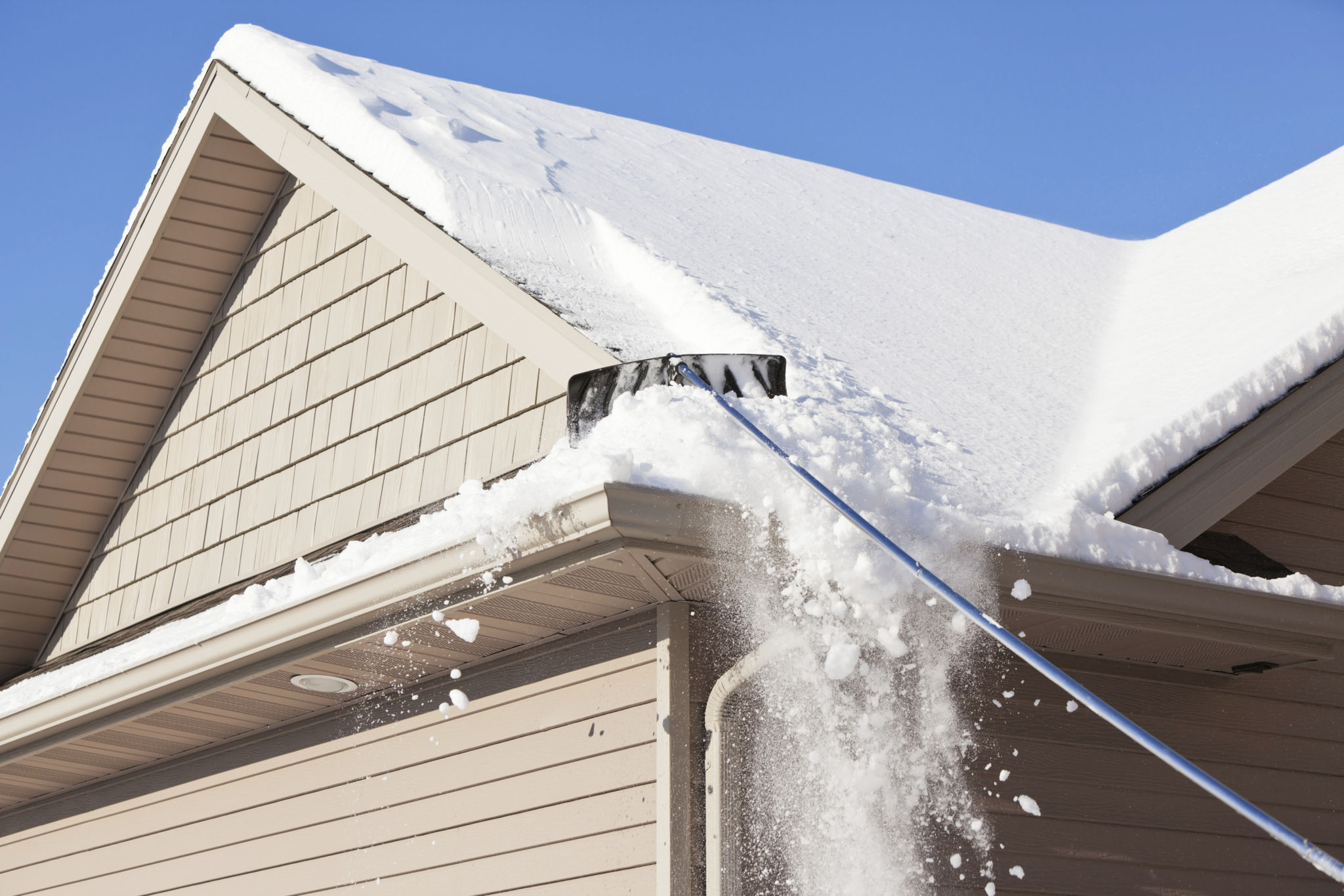
While Georgia winters are relatively mild, occasional snowfall and freezing temperatures can still pose a threat to your roof. Ice dams can form at the edges of roofs, preventing proper drainage and causing water to back up and leak into your home.
To prevent ice dams, ensure your attic is well-insulated and ventilated. This helps maintain a consistent roof temperature, reducing the likelihood of ice formation. Regular roof maintenance during the winter months can also help keep your roof in top condition.
Conclusion
Understanding the impact of Georgia's climate on your roof is essential for maintaining its integrity and performance. By taking preventive measures and choosing the right materials, you can protect your home from the effects of heat, humidity, storms, and occasional winter weather.
Regular inspections and maintenance can help you identify potential issues before they become major problems, ensuring your roof remains a reliable barrier against Georgia's diverse climate conditions.